Olivia: A Handwritten Font That Feels Like a Personal Note
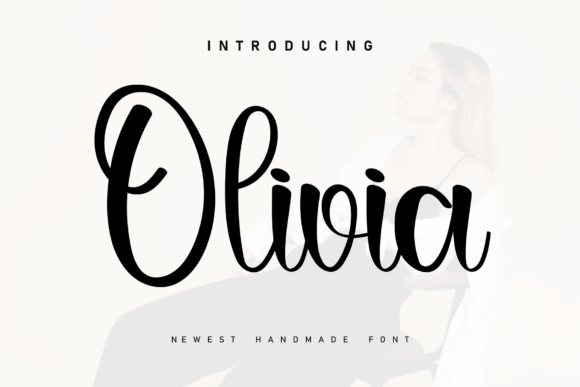
There's a particular quality to a handwritten note that digital text often misses. It's the slight variation in line weight, the flow of a continuous stroke, the feeling that a person, not a machine, created it. This is the space where Olivia, a handwritten font, operates with effortless charm. It doesn't just mimic handwriting; it embodies the relaxed, heartfelt perfection of a personal signature. Its smooth strokes and organic lines create an atmosphere of authenticity, making it a versatile tool for designers, entrepreneurs, and creators who want to add a genuine human touch to their work.
Understanding the Visual Personality
What makes a script font like Olivia stand out in a sea of modern typography? It’s all in the details. The character set is designed with a natural, flowing rhythm. The connections between letters feel intuitive, not forced, which is key to avoiding that overly digital or "faked" handwriting look. This organic quality makes it incredibly approachable. It’s a display font with personality, but it’s not so wild that it sacrifices clarity. The balance it strikes is what allows it to function across so many different contexts, from a delicate wedding invitation to a bold social media quote.
When you're choosing a typeface for a project, you're choosing a voice. Olivia speaks in a tone that is warm, confident, and personal. It’s the visual equivalent of a friendly conversation. This makes it particularly effective for brands and projects that want to feel accessible, creative, and human-centered. It’s not the right choice for a formal corporate report, but it’s perfect for a boutique bakery, an artisan workshop, a lifestyle blog, or a personal brand built on connection.
Practical Applications for Real-World Projects
The true test of any design asset is its utility. How does a font like Olivia translate from a downloaded file to a finished product? Its strength lies in its adaptability. Here’s where it can shine in your creative toolkit:
- Brand Identity & Logo Design: A logo sets the first impression. Olivia can craft a logo that feels bespoke and memorable, especially for brands in the wellness, beauty, food, or creative services space. Paired with a clean sans serif font for body text, it creates a beautiful and readable contrast that defines a brand's visual language.
- Packaging & Merchandise: On a product label, Olivia can communicate craft and care. Imagine it on a bottle of homemade jam, a candle, or a artisanal coffee bag. It tells a story before the customer even tastes the product. For merchandise like tote bags or mugs, it adds a personal, artistic flair that generic fonts can't match.
- Digital Presence: For websites and blogs, using Olivia sparingly for headings, pull quotes, or call-to-action buttons can break up text and draw the eye. On social media, it’s perfect for creating engaging graphics, quotes, and announcements that feel personal and stop the scroll. It turns standard information into a visual statement.
- Print & Editorial: In print, its character truly comes alive. Think of elegant wedding invitations, stylish menu designs, or editorial design for magazine features. For posters or flyers promoting a workshop or event, it adds a level of sophistication and approachability.
- Marketing & Digital Products: Use it in email headers, PDF guides, or e-book covers to make your marketing assets feel cohesive and premium. For creators selling digital products, like planners or worksheets, Olivia can add that sought-after handcrafted quality that customers love.
Pairing for Purpose and Readability
A common question with any creative font is how to use it effectively without sacrificing readability. This is where strategic font pairing comes in. Olivia is a star player, but it needs a supporting cast. Because it's a detailed script, it works best when contrasted with a simpler, highly legible companion.
For body text, a neutral serif font (like a classic Garamond or a modern alternative) or a clean sans serif font (like Lato or Montserrat) is ideal. The contrast ensures that long paragraphs remain easy to read, while Olivia commands attention in headlines, logos, and short bursts of text. Always test your pairings in context. View them on a website mockup, in a sample social media post, or printed at the intended size. This practical test is worth more than any theoretical rule.
Also, explore the font files you receive. A premium font like Olivia often includes multiple styles—perhaps a regular weight, a bold, or stylistic alternates. These extras give you more creative control. You might use a slightly bolder version for a headline that needs to pop on a busy background, or use an alternate letterform to perfect the flow in a specific word.
Aligning Typography with Your Goals
Ultimately, the best font choice is the one that serves your project's objective. Ask yourself: What emotion do I want to evoke? Who is my audience? What is the primary function of this text?
If your goal is to build brand recognition, consistency is key. Using Olivia as part of your defined typography system across your website, social media, and packaging helps create a recognizable visual identity. If your goal is engagement, its personal touch can make your content feel more relatable and shareable. If your goal is a professional presentation, pairing it correctly with a structured font elevates the entire design, showing thoughtful curation rather than a random choice.
Before finalizing any design, always double-check the licensing for your intended use. Most commercial font licenses are straightforward for standard business use, but it's a responsible practice to confirm the terms, especially for large-scale merchandise or distribution. This small step ensures your beautiful design is also legally sound.
In the end, a font like Olivia is more than just letters on a screen. It’s a tool for storytelling. It allows you to inject warmth, personality, and a sense of crafted care into your visual communication. By understanding its strengths and applying it thoughtfully, you can transform standard projects into memorable experiences that genuinely connect with your audience. It’s that personal note in a digital world, waiting to be written.