Classic Distress: A Bold Vintage Typeface for Creative Projects
There's an undeniable charm in typography that feels lived-in and authentic. It tells a story before a single word is read, evoking a sense of history, craftsmanship, and personality. This is precisely the space where the Classic Distress font operates. It’s not just a collection of letters; it’s a design asset that carries the weight of vintage printing presses and the playful energy of handcrafted art. For anyone looking to inject immediate character and retro warmth into their work, this distressed display typeface offers a compelling solution that bridges nostalgia and contemporary design.
Understanding the Visual Appeal of a Worn Typeface
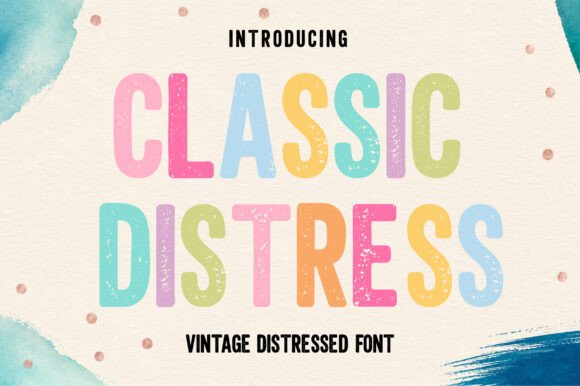
What makes a font like Classic Distress so visually engaging? At its core, it’s a display font defined by its bold, chunky letterforms. These aren’t clean, sterile shapes. Instead, they feature a subtle, worn print texture that mimics the imperfections of vintage screen printing or letterpress. This distressed effect adds a layer of tactile authenticity, making the text feel as if it was printed decades ago and lovingly preserved. The tall proportions give it a strong presence, ensuring it commands attention in headlines and logos without sacrificing legibility at larger sizes.
This aesthetic taps into a broader trend in modern typography where designers seek to move beyond the perfection of digital vectors. The texture breaks up the uniformity, creating visual interest and a sense of movement. It’s a style that feels human and approachable, which is why it resonates so well with audiences today. Whether you're designing for a craft brewery, a boutique clothing brand, or a children’s educational app, the handcrafted quality of a creative font like this can instantly soften a digital interface and make a brand feel more relatable.
Practical Applications: From Branding to Merchandise
The true value of any premium font lies in its versatility. Classic Distress excels in projects where personality and impact are key. Its bold structure makes it ideal for logo design, where it can establish a brand’s identity as fun, retro, or artisanal from the very first glance. Imagine it on the masthead of a blog dedicated to vintage finds or as the primary typeface for a small-batch jam label—the font does much of the heavy lifting in setting the tone.
Beyond logos, its applications are extensive:
- Packaging Design: Use it for product names on labels, boxes, and bags to convey a sense of tradition and quality.
- Posters & Invitations: Its high-impact style is perfect for event posters, gig flyers, and party invitations where you need the typography to be the star.
- Merchandise: It’s a natural fit for t-shirts, tote bags, and mugs. The distressed texture often translates beautifully to print methods like DTG or screen printing.
- Social Media Graphics: Create scroll-stopping quotes, announcements, and branded content that stands out in a crowded feed. The playful texture adds a unique flair to Instagram posts or Pinterest pins.
- Editorial & Web Design: While primarily a display font, it can be used sparingly for pull quotes, chapter titles, or website headers to add a vintage accent to otherwise clean layouts.
For small business owners and content creators, using a cohesive and distinctive typeface across these touchpoints is a straightforward way to build brand recognition. When your packaging, social media, and website all share the same typographic voice, it creates a professional and memorable presentation that builds trust with your audience.
Integrating Classic Distress into Your Design Workflow
Adopting a new font is more than just a download. To use it effectively, consider a few practical steps. First, always review the full character set and any included styles. Some distressed fonts come with alternate glyphs or different levels of texture, allowing you to customize the look further. Check the commercial licensing terms to ensure it covers your intended use, whether for client projects, merchandise, or digital products.
Next, think about font pairing. A bold, textured display font like this rarely works well set in long paragraphs. Its strength is in headlines and short bursts of text. Pair it with a clean, highly readable sans serif font or a simple serif font for body copy. For example, combine Classic Distress with a neutral sans serif like Montserrat or a classic serif like Lora to create a balanced hierarchy. The contrast allows the distressed font to shine without overwhelming the design.
Always test your typography in context. Place it on mockups of your final product—a t-shirt, a business card, a website header. Check the readability at various sizes and on different backgrounds. The distressed texture can sometimes reduce clarity if the font is too small or the background is too busy. Use it where it can be appreciated: large, bold, and with ample spacing. This ensures your visual consistency is maintained while maximizing the font’s aesthetic appeal.
Beyond the Font: Building a Cohesive Visual Language
Choosing a typeface like Classic Distress is a strategic decision in building your project’s brand identity. It’s a tool for storytelling. The retro, handcrafted vibe it carries can help position a brand as nostalgic, artisanal, or playfully rebellious. For a marketing professional, it can be the key to creating campaign assets that feel unique and emotionally resonant, driving deeper audience engagement.
Consider the broader design system. What colors complement the vintage feel? Muted tones, earthy palettes, or vibrant retro hues can all work beautifully. What imagery supports the style? Photography with a film grain or illustrations with a hand-drawn quality will harmonize perfectly with the font’s texture. By thinking about typography as one element in a larger ecosystem, you move from simply using a font to crafting a complete and compelling visual experience.
Ultimately, a font is a vessel for your message. Classic Distress is a vessel with a distinct personality—one that speaks of quality, creativity, and a touch of playful history. For designers, entrepreneurs, and creators, it’s a valuable addition to the toolkit, offering a quick and effective way to add depth, character, and a stylish vintage touch to any project that needs to make a lasting impression.